
Diabetes is one of the fastest growing chronic diseases in the world, affecting over 500 million people globally. When it comes to managing this condition, one of the most debated questions remains:
homeopathy vs allopathy for diabetes which system of medicine is more effective, safer, and sustainable for longterm management? In this comprehensive guide, we analyze both approaches from a scientific, clinical, and practical perspective.

| Quick Answer (Featured Snippet) Allopathy provides fast, clinically proven blood sugar control through insulin and oral medications it is the gold standard for diabetes management. Homeopathy may support overall wellness and symptom relief but is not a standalone substitute for conventional diabetes treatment. Most integrative health experts recommend a combined approach under medical supervision. |
Table of Contents
- What Is Diabetes? A Brief Overview
- Allopathy and Diabetes: How Does It Work?
- Homeopathy and Diabetes: What Does Science Say?
- Homeopathy vs Allopathy for Diabetes Direct Comparison
- Type 1 vs Type 2 Diabetes: Which Treatment Is Better?
- Side Effects: A HeadtoHead Comparison
- Expert Opinions What Do Doctors Say?
- Frequently Asked Questions (FAQ)
- Conclusion: How to Make the Right Decision?
1. What Is Diabetes? A Brief Overview
Diabetes mellitus is a metabolic disorder in which the body cannot properly process blood glucose (sugar). There are two primary types:
- Type 1 Diabetes: The immune system attacks and destroys insulinproducing cells in the pancreas. It usually develops in childhood or early adulthood.
- Type 2 Diabetes: The body produces insulin but cells fail to respond to it correctly (insulin resistance). This is the most common form and is closely linked to lifestyle factors.
- Gestational Diabetes: Develops in some women during pregnancy and usually resolves after childbirth.
Common symptoms include excessive thirst, frequent urination, unexplained weight loss, fatigue, and blurred vision. If left unmanaged, diabetes can lead to serious complications including heart disease, kidney failure, and nerve damage.
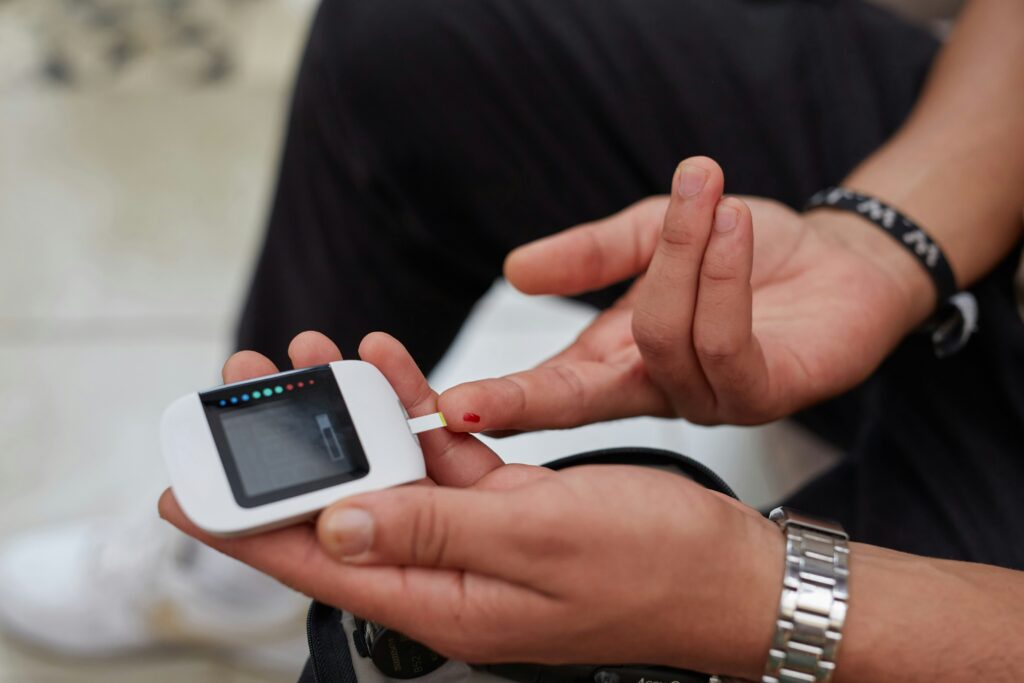
2. Allopathy and Diabetes: How Does It Work?
Allopathy (conventional or evidencebased medicine) is considered the gold standard for diabetes management. It uses scientifically validated medications and insulin therapy to directly regulate blood glucose levels.
Common Allopathic Diabetes Medications
| Medication Class | Example Drugs | Mechanism of Action |
| Biguanides | Metformin | Reduces glucose production in the liver |
| Sulfonylureas | Glipizide, Glibenclamide | Stimulates insulin release from pancreas |
| Insulin Therapy | Regular, NPH, Glargine | Directly lowers blood glucose levels |
| SGLT2 Inhibitors | Empagliflozin, Dapagliflozin | Removes excess glucose through kidneys |
| DPP4 Inhibitors | Sitagliptin, Saxagliptin | Protects incretin hormones |

Advantages of Allopathy: Rapid blood sugar control, measurable HbA1c reduction, prevention of diabetic complications, WHO and ADAapproved treatment protocols available.
Limitations of Allopathy: Potential side effects with longterm use (weight gain, hypoglycemia, kidney stress), higher cost for newer medications, and does not always address the root lifestyle causes of disease.
3. Homeopathy and Diabetes: What Does Science Say?
Homeopathy is a 200yearold system of medicine developed by Samuel Hahnemann. It is based on the principle of ‘like cures like’ the idea that a substance causing symptoms in large doses can, in very small doses, treat similar symptoms.
Popular Homeopathic Remedies for Diabetes
- Syzygium Jambolanum Widely used for blood sugar control, derived from the jamun (black plum) plant
- Uranium Nitricum Indicated for excessive thirst and frequent urination
- Phosphoric Acid Used for diabetic weakness and chronic fatigue
- Cephalandra Indica Frequently recommended by homeopathic practitioners for blood glucose
- Gymnema Sylvestre Supports blood sugar metabolism and reduces sugar cravings
Scientific Evidence What Does Research Show?
The scientific community remains divided on the efficacy of homeopathy. Several systematic reviews and metaanalyses have found that homeopathic remedies perform no better than placebo in controlled trials. However, some patients report improved wellbeing, reduced stress, and better quality of life outcomes that may indirectly support diabetes management.
| World Health Organization (WHO) Traditional and Complementary Medicine. Anchor Text: ‘WHO guidelines on traditional medicine’ |
4. Homeopathy vs Allopathy for Diabetes Direct Comparison
The table below provides a clear, sidebyside comparison of homeopathy vs allopathy for diabetes across the most important factors:
| Factor | Allopathy | Homeopathy |
| Scientific Evidence | Strong RCTbacked | Limited mostly anecdotal |
| Speed of Action | Fast (hours to days) | Slow (weeks to months) |
| Blood Sugar Control | Direct and measurable | Indirect overall health focus |
| Side Effects | Possible (dosedependent) | Generally safe, minimal |
| Cost | Moderate to high | Usually affordable |
| Longterm Use | Often lifelong | May reduce with lifestyle change |
| Doctor Availability | Widely available | Requires specialist practitioners |
| WHO Approval | Fully approved | Complementary category |
| Best Suited For | Type 1 & Type 2 | Type 2, mild cases, as adjunct |
| Root Cause Approach | Symptoms + complications management | Holistic wholebody approach |
5. Type 1 vs Type 2 Diabetes: Which Treatment Is Better?
For Type 1 Diabetes
In Type 1 diabetes, insulin therapy is not optional it is a lifesustaining necessity. Using homeopathy as the sole treatment in Type 1 diabetes is medically unsafe and potentially lifethreatening.
| Important Medical Note Type 1 Diabetes: Allopathic insulin therapy is nonnegotiable. Homeopathy can only play a supplementary, supportive role. Never discontinue insulin without explicit guidance from a certified physician. |
For Type 2 Diabetes
Type 2 diabetes offers more flexibility in treatment planning. In early stages, some patients can achieve significant blood sugar control through diet, exercise, and lifestyle modification alone. Homeopathy may play a supportive role here but regular allopathic monitoring remains essential.
- Mild Type 2: Lifestyle changes + supervised homeopathy trial
- Moderate Type 2: Allopathic medication + homeopathy as a complement
- Severe Type 2 or with Complications: Allopathy as primary treatment, no compromise
6. Side Effects: A HeadtoHead Comparison
One of the key considerations when comparing homeopathy vs allopathy for diabetes is the side effect profile of each treatment approach:
| Side Effect | Allopathy | Homeopathy |
| Hypoglycemia (low blood sugar) | Common with insulin/sulfonylureas | Not typically observed |
| Weight Changes | Weight gain possible | Generally neutral |
| Kidney / Liver Stress | Possible with prolonged use | Minimal reported risk |
| Digestive Issues | Common with Metformin | Rare |
| Allergic Reactions | Rare but documented | Very rare |
7. Expert Opinions What Do Doctors Say?
The majority of certified endocrinologists and diabetes specialists consider allopathic treatment the primary standard of care. However, a growing number of integrative medicine practitioners suggest that a combined approach using homeopathy as a complement to conventional treatment can improve patient outcomes, particularly in Type 2 cases where lifestyle plays a central role.
| Expert Perspective “Evidence based medicine (allopathy) should never be replaced when managing diabetes. However, homeopathy and other complementary approaches can meaningfully improve a patient’s quality of life, stress levels, and overall wellbeing which indirectly supports metabolic health. |
8. Frequently Asked Questions (FAQ Schema)
Q1: Can homeopathy permanently cure diabetes?
No treatment homeopathic or allopathic has been scientifically proven to permanently cure diabetes. Type 2 diabetes remission is possible through significant lifestyle changes, but attributing this to homeopathy alone would be premature and unsupported by current evidence.
Q2: Can I take homeopathy alongside allopathic diabetes medicine?
Yes, but always inform your physician. Certain homeopathic remedies may interact with allopathic drugs or affect blood sugar levels. Never selfmedicate always work with qualified medical professionals from both systems.
Q3: Which is more affordable homeopathy or allopathy for diabetes?
Allopathic treatment especially newer medications and insulin can be expensive. Homeopathic remedies are generally more affordable, though specialist consultation fees may vary. Longterm costs depend heavily on the complexity of each patient’s condition.
Q4: Can homeopathy replace insulin in Type 1 diabetes?
Absolutely not. In Type 1 diabetes, insulin therapy is a lifesaving requirement. Replacing it with any alternative treatment including homeopathy is medically dangerous and could be fatal.
Q5: Is it necessary to choose only one system of treatment?
No. An integrative approach where allopathy serves as the primary treatment and homeopathy plays a complementary, supportive role often produces the best outcomes for patients, particularly in Type 2 diabetes management.

9. Conclusion: How to Make the Right Decision?
When it comes to homeopathy vs allopathy for diabetes, there is no universal onesizefitsall answer. Every patient is different. However, some clear evidencebased guidelines can help you and your doctor make the most informed decision:
- Type 1 Diabetes: Allopathy (insulin) is nonnegotiable no compromise
- EarlyStage Type 2: Lifestyle modification + closely monitored complementary approach
- Advanced Type 2 or with Complications: Allopathy as primary treatment; homeopathy as optional supplement
- Always consult a registered, qualified physician before making any changes to your treatment plan
| Key Takeaway In the debate of homeopathy vs allopathy for diabetes, allopathy holds a clear scientific advantage for blood glucose control and complication prevention. Homeopathy, however, offers a holistic, patientcentered approach that can improve overall wellbeing. An integrative strategy combining the strengths of both may offer the most comprehensive path forward. |